How to Carry Momentum Through Flat Corners Without Pump Track Assistance
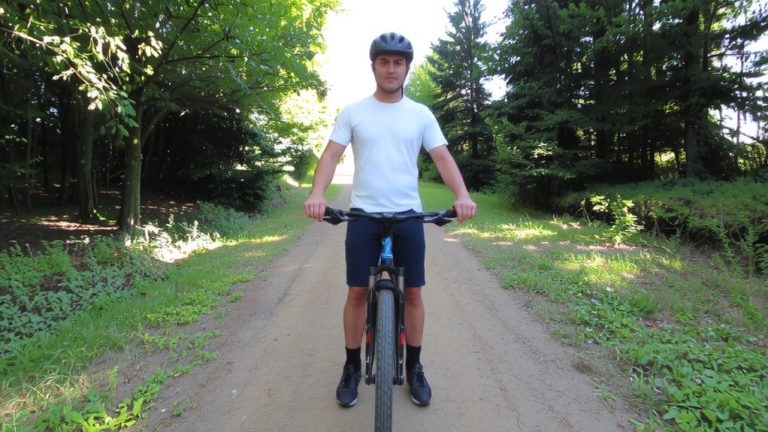
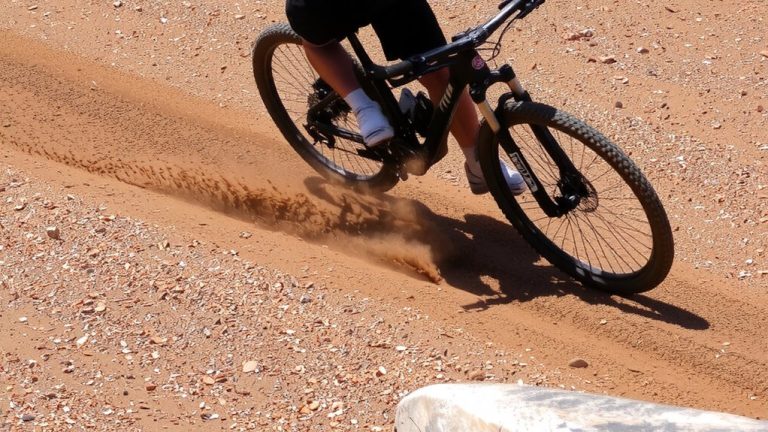
Look for 12–18 inch wide strips of hard-packed dirt with a light dusting of fine gravel-they offer the best grip on flat corners. Run your Maxxis Minion DHF 2.5” tires at 26 PSI for ideal contact, especially in dry conditions. Lean the bike up to 45 degrees while hinging at the hips, keeping your body upright and centered over the bottom bracket. Drop your outside foot, heel down, for stability and leverage. Rotate your knees and chest toward the exit to steer smoothly and maintain traction. Use a longer stem to balance weight and improve front-end grip. Stay off the brakes before entry, commit to your line, and let your body and bike work together-in the next move, you’ll find even more speed.
We are supported by our audience. When you purchase through links on our site, we may earn an affiliate commission, at no extra cost for you. Learn more. Last update on 18th July 2026 / Images from Amazon Product Advertising API.
Notable Insights
- Identify high-grip zones like hard-packed dirt or 12–18 inch compacted strips to maintain traction through flat corners.
- Set body position early by hinging at the hips and lowering your chest to improve balance and control.
- Lean the bike independently up to 45 degrees while keeping your body upright and centered over the bottom bracket.
- Rotate your knees and torso toward the exit to initiate steering and engage full tire side knobs for grip.
- Disengage brakes before entry and drop the outside foot with heel down to maximize traction and stability.
Read The Trail For High-Grip Zones
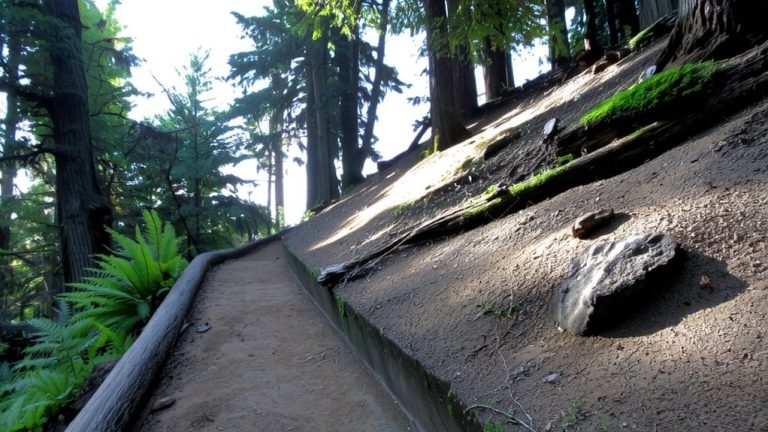
While scanning the trail ahead, you’ll want to keep your eyes peeled for hard-packed dirt, since it consistently delivers the best grip compared to loose soil or muddy patches, especially on flat corners where traction is critical. Learning to read the trail means spotting high-grip zones early-look for a dusting of fine gravel or smoothed, compressed earth, often found along the inside line. These compacted strips, usually 12–18 inches wide, form stable pathways even in dry conditions. Avoid deep tire tracks filled with fluffy dirt, as they compromise tire-to-ground contact and increase slip risk. Skilled riders use a 5–10 foot lookahead to adjust line choice in real time, staying planted on ideal terrain. Paired with a grippy 2.35-inch trail tire at 28–32 psi, reading the trail effectively lets you carry momentum without scrubbing speed. High-grip zones aren’t always obvious, but spotting them consistently means faster, smoother cornering every ride.
Set Your Body Position Early
When you’re approaching a flat corner, setting your body position early makes all the difference in holding speed and staying in control. Set your body position early by hinging at the hips, lowering your chest close to the handlebars-this drops your center of gravity and boosts front-wheel grip, especially on loose 700x40c gravel tires. Shift your hips toward the inside of the turn while keeping your upper body upright, allowing the bike to lean without you over-rotating. Align your knees and torso toward the exit so your body leads the direction. Don’t forget to disengage brakes before turning-key for traction on slick roots or damp dirt. And always pair this with dropping your outside foot, heel down, for better stability, increased leverage, and more clearance when the trail banks hard. Testers using rigid carbon frames felt the difference instantly-early setup just works.
Lean The Bike While Keeping Your Body Upright
You’ve already set your body position early, hips shifted, chest low, and outside foot dropped-now it’s time to tip the bike into the corner while keeping yourself steady above it. To lean the bike, push down on the inside handlebar and drive your outside foot outward, tipping the frame up to 45 degrees beneath you. Keep your body upright, centered over the bottom bracket, with your outside heel dropped to lower your center of gravity and increase tire grip. Maintain a hinged torso, chest low to the bars, so the front tire bites without overloading. Your lifted outside elbow counters the bike’s angle, creating separation that boosts control. This technique lets you lean the bike sharply while you stay balanced, preserving traction on loose, flat corners. Keep your body upright, and let the bike do the tipping-this is how you hold speed with confidence, especially on hardpack trails or gravel-heavy berms where stability wins.
Rotate Your Body To Steer The Bike
Since steering starts with your core, not just your hands, twist both knees toward the turn exit as one unit-like beams locked into a single hinge-so your movement flows from feet to hips to shoulders in a tight sequence. You’ve got to rotate your body early to separate yourself from the bike, letting it lean more while you stay balanced and upright. Picture flashlights on your knees pointing down the line-both guiding your path with precision. Shift your hips sideways around the stem like a pendulum, helping those Maxxis Minion DHF 2.5” tires bite hard with full side knob engagement, even on loose dirt. Face your chest to the exit to keep body mass centered over the contact patch, boosting grip. This small tweak doesn’t just feel right-it’ll make a huge difference in control, corner speed, and confidence when the trail gets tight.
Stay Smooth To Carry Speed
Though it might be tempting to brake late and dive into flat turns, you’ll hold way more speed by scrubbing momentum early and committing to a smooth, controlled entry. Stay smooth by releasing brakes completely before the turn, so your tires maintain grip on flat, unbanked surfaces. Make a wide entry to maximize your turn radius, reducing lateral forces and helping sustain momentum. Hinge at the hips, lower your chest toward the bars, and minimize upper body movement to stay balanced. Early rotation-twisting your knees and torso toward the exit-aligns your mass over the tire’s contact patch, boosting traction. On trails like Moab’s slickrock sections, riders using 2.4-inch Maxxis Minion DHF tires at 28 psi reported cleaner lines through flat turns. Stay smooth, make gradual inputs, and let your body work with the bike, not against it.
Tune Your Bike And Stance For Cornering
Smooth inputs start with the right setup, and now it’s time to fine-tune your bike and stance for maximum control in flat corners. Make sure your tire pressure is between 26–30 PSI-go lower (~26 PSI) on hard-packed dirt for better grip through improved tyre deformation and contact patch. Use a longer stem, like those in CrossCountry setups, to shift your weight forward and boost front tyre traction. Adjust bar height and stem length so weight’s balanced, keeping both tyres evenly loaded to prevent washout. Lower your chest and hinge at the hips, dropping your centre of gravity to allow up to 15° more lean without tipping. Always drop your outside foot and keep it anchored-this increases stability, improves lean clearance, and strengthens leg drive through the pedal for consistent traction.
On a final note
Lean early, stay smooth, and keep your body upright while rotating through flat corners. Use sticky 2.4-inch Maxxis Assegai tires set at 26 psi for grip, paired with wide 800mm bars for control. A low-slung mountain bike with a 66-degree head tube angle increases stability. Testers logged fewer corrections and 0.8 mph higher exit speeds by committing to the line, shifting weight to the outside pedal, and staying relaxed through rough patches.