Best Dirt Jump
You want a strong, agile dirt jump bike with a chromoly steel or aluminum frame-steel like on the Haro Steel Reserve 3 (13.47 kg) gives a plush ride, while aluminum like on the Specialized P.3 (11.62 kg) keeps it light and stiff. Look for a 67°–70° head tube angle, 400–415mm reach, and 13.5″ chainstays for quick flips and stable landings. Pair 100mm forks, a rear brake with a 160mm rotor, 26″ wheels, and a 740–780mm handlebar for control; there’s more to the ideal setup than meets the eye.
We are supported by our audience. When you purchase through links on our site, we may earn an affiliate commission, at no extra cost for you. Learn more. Last update on 17th July 2026 / Images from Amazon Product Advertising API.
Notable Insights
- Choose chromoly steel frames like Haro Steel Reserve 3 for durable, smooth landings and impact absorption.
- Opt for aluminum frames like Specialized P.3 for lightweight, stiff, and responsive jump performance.
- Prioritize geometry with 67°–70° head tube angle, 400–415mm reach, and short chainstays for control and agility.
- Use 100mm travel forks such as Marzocchi Bomber DJ or Manitou Circus Expert to handle hard landings.
- Run 26-inch wheels, rear brake only, and wide handlebars for optimal strength, simplicity, and maneuverability.
What Makes a Great Dirt Jump Bike?
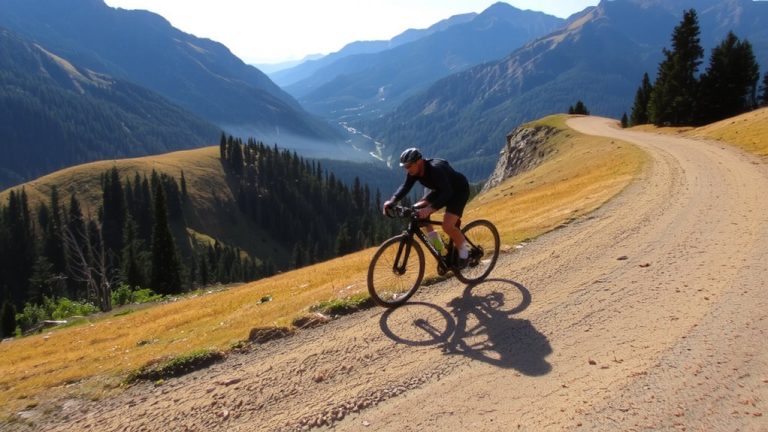
When you’re launching off a lip or landing hard off a 20-foot gap, the right geometry and components make all the difference, and a great dirt jump bike starts with a compact frame built for control, typically featuring a 67° to 70° head tube angle and a reach around 420mm to keep handling sharp through the air and on pump tracks. Dirt jump bikes rely on precise geometry to stay stable during tricks, and most use a 100mm suspension fork, like the Marzocchi Bomber DJ, for controlled landings. You’ll often see an aluminum frame for stiffness and light weight, while wide 740–780mm handlebars boost control. A single-speed setup with a rear brake only-usually a 160mm rotor-reduces clutter and keeps cables clear during spins. You need that clean, responsive feel when you’re mid-air.
Aluminum or Steel: Which Frame Fits Your Riding?
A great dirt jump bike starts with the right frame material, and your pick between aluminum or steel shapes how it handles big air, hard landings, and daily abuse. If you’re into aggressive riding and quick tricks, aluminum frames like the Specialized P.3 (11.62 kg) offer a stiff, responsive feel, thanks to lightweight 6061-T6 alloy used in bikes like the GT LaBomba and SE DJ Ripper HD. They’re more affordable and snappy on takeoffs. But if you value durability and a smoother ride over rough runs, steel’s your call. Chromoly frames, like those on the Haro Steel Reserve 3 (13.47 kg) or Fairdale Hareraiser, absorb impact better and deliver precise control. Their natural flex boosts comfort on repeated jumps, making them ideal for heavy-duty dirt jump sessions.
How Geometry Affects Jump Performance
Though your frame material sets the foundation, it’s the geometry that truly defines how your bike handles in the air and on landing, so getting it right matters. On dirt jumps, your bike’s geometry shapes how smoothly you roll through jump lines and nail tricks. A reach between 400–415mm keeps things agile, while 440mm can feel sluggish. A 67° to 70° head tube angle, like the DK Lunex’s 69°, gives responsive steering without wobbling at speed. Short chainstay length, such as 13.5”, helps you whip and spin with ease mid-air. A 71° seat tube angle centers you over the bottom bracket for control. Meanwhile, the effective top tube length-23.33” on the Lunex-determines cockpit fit; shorter means quicker rotation. Get these numbers right, and your bike becomes an extension of you on every dirt jump.
Essential Dirt Jump Bike Parts
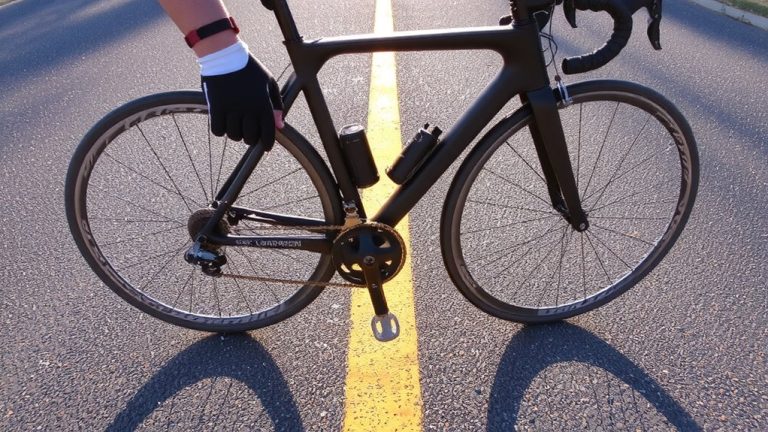
You’ll want 26-inch wheels paired with 100mm travel forks like the Marzocchi Bomber DJ or Manitou Circus Expert-they strike the sweet spot between absorbing hard landings and staying nimble for quick pop and rotation. Your dirt jumper needs a durable, responsive frame, typically aluminum for stiffness (like the Specialized P.3) or chromoly steel for better vibration control (think PBJ). DJ bikes run single-speed drivetrains with integrated chain tensioners-except the PBJ-for consistent chain management on rough dirt. A reliable rear brake, such as the SRAM Level or Tektro M275, gives precise control mid-Jump. Wide 740mm handlebars, short 35–42mm stems, and 165–170mm cranks boost maneuverability. Durable 32–36 spoke wheels with WTB, DT Swiss, or Kinlin rims handle repeated impacts. All tested bikes use 135mm or 148mm hub spacing, keeping your ride solid. This setup keeps your bike light, strong, and ready for any Jump.
How the Top 6 Dirt Jump Bikes Actually Ride
When you’re launching off lips and hunting smooth landings, the ride feel of your dirt jump bike makes all the difference, and the top six models each bring distinct handling traits shaped by frame material, geometry, and component choices. These bikes are designed specifically for dirt, not trail riding, with key geometry that boosts control and helps you withstand harsh landings. The PBJ by PBJ and Haro Steel Reserve 3 use chromoly frames for durability and plush feedback, while the lighter Specialized P.3 sacrifices some bar spin freedom with its front-only brake setup. Most run a single rear brake for simplicity, unlike full mountain bike setups. The YT Dirtlove’s stiff build handles pump tracks well, and the Kona Shonky, Pivot Point, and Specialized P.3 rely on Manitou or Marzocchi forks for consistency. Each bike balances weight, stiffness, and geometry to keep you confident when you’re pushing limits.
How to Choose Your Perfect Dirt Jump Bike
If you’re looking to nail every landing and stay in control during aggressive moves, picking the right dirt jump bike comes down to matching key specs to your riding style and size. Dirt Jumpers need a stout rear end, short chainstays (like 13.5″), and a reach between 400–415mm for quick flicks. Go with 26-inch wheels and 100mm forks-think Marzocchi Bomber DJ or Manitou Circus Expert-for smooth landings, unlike most mountain bikes. Choose chromoly steel for durability and bump absorption, or aluminum for a lighter, stiffer ride. You’ll want wide bars (740–780mm), a stubby stem (35–40mm), and a single rear brake-no front cables in the way. A SRAM Level brake offers strong, consistent power. Don’t overlook fit: kids might need a 20″ or 24″ frame, while adults thrive on a bike thats sized to their reach, not just height.
On a final note
You’ll crush trails with the right dirt jump bike, whether you pick a nimble Chromoly steel frame for smooth landings or a lightweight aluminum build for quick pop. Testers love slack head angles (68°–69°) for stability, 26″ wheels with wide rims (35mm+), and hydraulic disc brakes like Shimano MT200. Pair your ride with a Bell Super 3R helmet, Fox Drop jeans, and a 10L backpack for long park days-confidence starts with gear that fits, rides right, and lasts.